



Accidents can happen unexpectedly in everyday environments, from busy intersections to retail stores, workplaces, and apartment buildings. When someone suffers an injury due to unsafe conditions or negligent behavior, determining responsibility becomes an important part of resolving the situation. Liability laws play a central role in this process, helping define when a person or organization may be legally responsible for damages caused by an accident.
Understanding the basic principles behind liability law can help individuals, businesses, and property owners better navigate situations involving injury claims and legal disputes.
Contents
What Liability Means in Injury Cases
In legal terms, liability refers to responsibility for harm caused to another person. When an accident results in injuries, courts often examine whether someone failed to exercise reasonable care in preventing foreseeable risks.
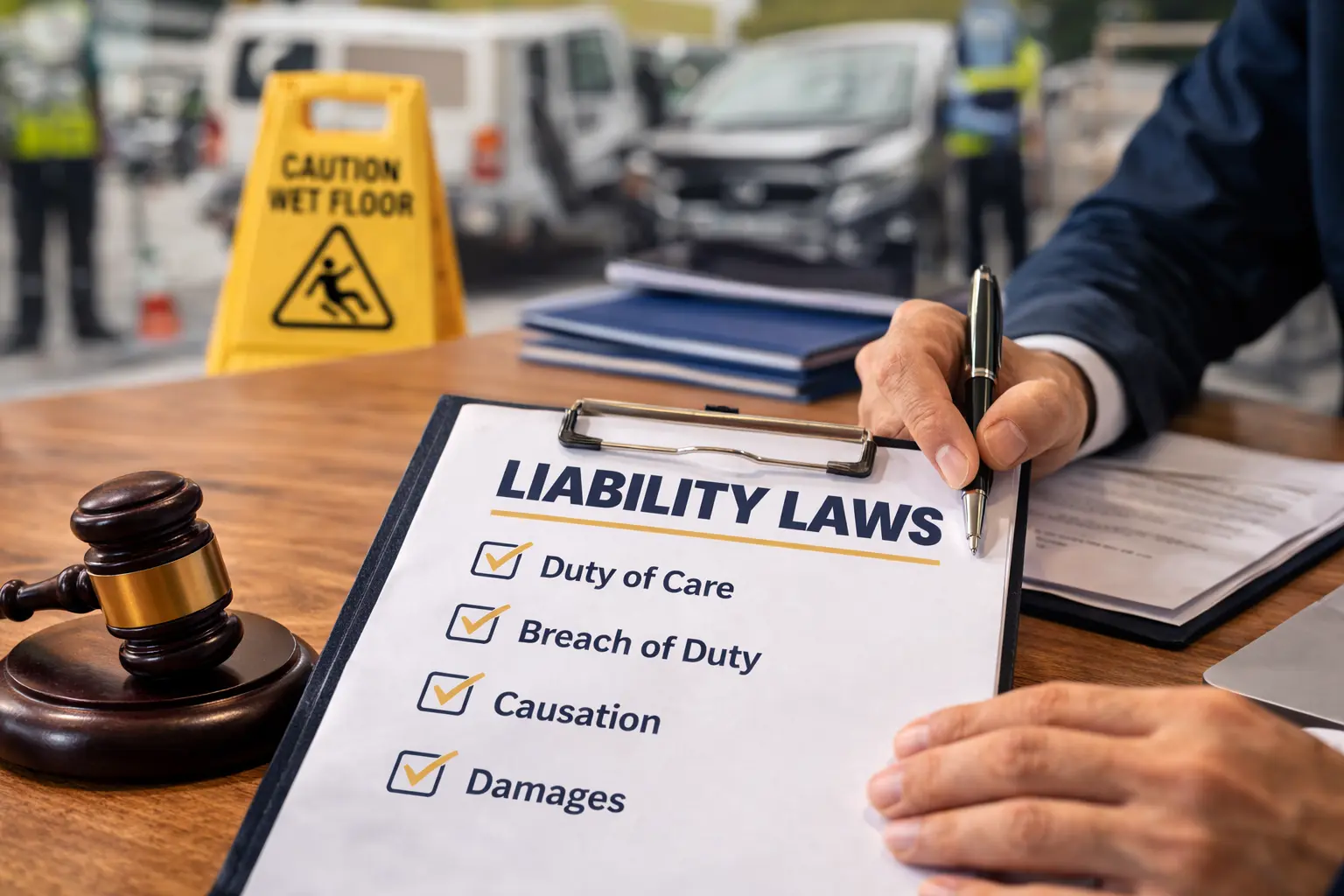
For liability to exist in most injury cases, several elements typically need to be established:
- Duty of Care – The responsible party had an obligation to act reasonably to prevent harm.
- Breach of Duty – That obligation was violated through negligence or unsafe conduct.
- Causation – The breach directly caused the injury.
- Damages – The injured person suffered measurable harm such as medical expenses or lost income.
These principles apply across many types of accidents, including car collisions, workplace injuries, and incidents occurring on commercial property.
Common Situations Where Liability Issues Arise
Liability claims often occur when individuals are injured due to hazardous conditions or negligent behavior. Some of the most common scenarios include:
Motor Vehicle Collisions
Car accidents remain one of the leading causes of injury-related legal claims. Drivers are expected to follow traffic laws and operate their vehicles safely. When a driver fails to obey traffic signals, drives under the influence, or engages in distracted driving, they may be held responsible for injuries caused by the crash.
Determining fault in a vehicle accident often requires examining police reports, witness statements, and physical evidence from the scene.
Premises Liability Incidents
Property owners have a duty to maintain safe environments for visitors. If unsafe conditions such as wet floors, broken staircases, or poor lighting lead to injuries, the owner or operator of the property may face liability.
Slip and fall accidents, for example, often occur when hazards are not addressed promptly or when proper warnings are not provided.
Workplace Accidents
Injuries that occur in workplace environments may involve a combination of workers’ compensation systems and third-party liability claims. Employers are generally required to maintain safe working conditions and provide appropriate safety equipment.
If contractors, equipment manufacturers, or other third parties contribute to the accident, additional legal considerations may arise.
The Role of Evidence in Determining Fault
When an injury claim is evaluated, evidence plays a crucial role in determining what happened and who may be responsible. Common forms of evidence include:
- Accident reports
- Surveillance footage
- Photographs of the scene
- Medical records
- Witness statements
- Expert testimony
Proper documentation can help clarify how an incident occurred and whether negligence contributed to the injury.
In many cases, individuals seek guidance from experienced legal professionals who focus on injury law. Consulting a Tacoma personal injury lawyer can help injured individuals understand their legal rights and the steps involved in pursuing compensation.
Compensation in Liability Cases
When liability is established, injured individuals may seek compensation for damages related to the accident. These damages generally fall into two categories.
Economic Damages
Economic damages cover measurable financial losses resulting from the injury. Examples include:
- Medical expenses
- Hospital bills
- Rehabilitation costs
- Lost wages
- Future medical care
These damages are typically calculated based on documentation such as invoices, pay records, and medical reports.
Non-Economic Damages
Non-economic damages address the broader personal impact of an injury. These may include:
- Pain and suffering
- Emotional distress
- Reduced quality of life
- Permanent disability
Although these losses are harder to quantify, they often play a significant role in injury cases involving serious harm.
Why Legal Guidance Can Be Important
Injury claims can involve complex legal questions, especially when multiple parties may share responsibility. Insurance companies, property owners, and businesses often have legal teams representing their interests, which can make negotiations more complicated for injured individuals.
Legal professionals who focus on injury cases can help evaluate evidence, interpret liability laws, and guide individuals through the claims process.
For example, someone injured due to negligence in Oregon may seek advice from an Eugene personal injury attorney to determine whether they have grounds for a claim and how compensation laws apply in their jurisdiction.
Preventing Liability Through Safer Practices
While liability laws help address injuries after they occur, prevention remains the most effective way to reduce risk. Individuals and businesses can take several steps to minimize the likelihood of accidents.
Some effective prevention strategies include:
- Maintaining safe property conditions
- Following traffic safety laws
- Implementing workplace safety programs
- Conducting routine inspections of facilities
- Providing proper employee training
Proactive safety measures not only protect people but also reduce the likelihood of legal disputes arising from accidents.
The Importance of Understanding Legal Responsibilities
Liability laws serve an important purpose in modern society. They help ensure that individuals and organizations act responsibly and take reasonable precautions to prevent harm to others.
For people who suffer injuries due to negligence, these laws provide a path to pursue compensation and hold responsible parties accountable. For businesses and property owners, understanding liability helps promote safer practices and responsible management.
By recognizing how liability laws operate and how accidents are evaluated, individuals can better navigate the legal issues that may arise after a serious injury.
